
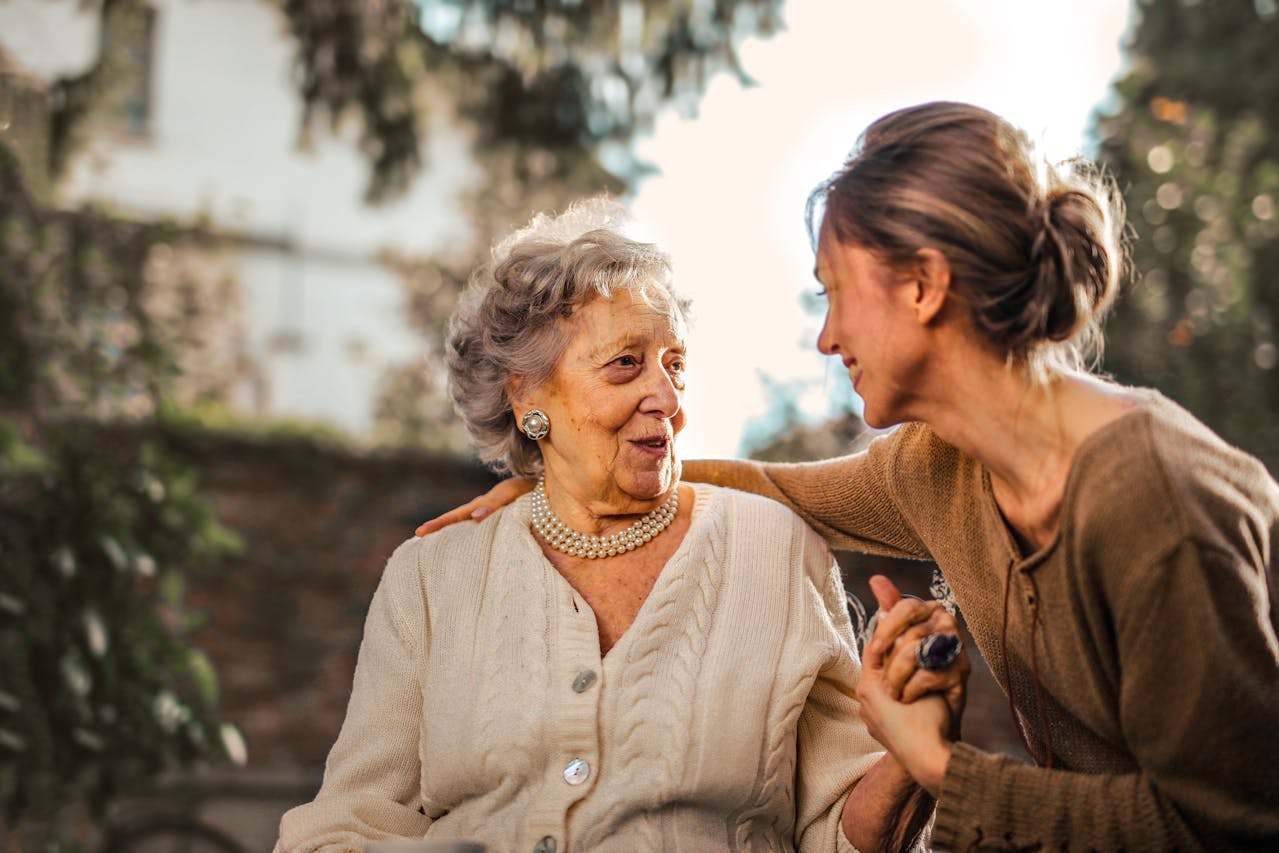
Aging is a natural part of life, but it often brings a range of health changes that require special attention. Geriatrics, the branch of medicine focused on older adults, helps identify, manage, and treat conditions that commonly appear with age. Understanding the symptoms and conditions associated with aging is essential for maintaining independence, comfort, and overall quality of life.
Healthcare institutions like Liv Hospital provide specialized care designed to address the unique and often complex needs of elderly patients, ensuring a more personalized and effective approach to treatment.
What Are Geriatric Symptoms?
Geriatric symptoms are physical, mental, or emotional signs that commonly occur in older adults. These symptoms may be mild at first but can gradually affect daily life if not properly addressed.
Unlike younger individuals, older adults may experience multiple symptoms at once, often linked to more than one underlying condition. This makes early evaluation and proper diagnosis especially important.
Common Physical Symptoms in Older Adults
As the body ages, several physical changes can occur. While some are a normal part of aging, others may indicate underlying health conditions.
1. Chronic Fatigue
Persistent tiredness is one of the most common complaints among elderly individuals. It can result from poor sleep, nutritional deficiencies, or chronic diseases.
2. Reduced Mobility
Joint stiffness, muscle weakness, and balance issues can make movement difficult. This increases the risk of falls and injuries.
3. Pain and Discomfort
Chronic pain, especially in the back, knees, and joints, is often linked to conditions like arthritis or osteoporosis.
4. Sensory Decline
Hearing and vision problems can develop gradually, affecting communication and independence.
Cognitive and Emotional Symptoms
Mental health is just as important as physical health in geriatrics. Many older adults experience cognitive and emotional changes that should not be overlooked.
Memory Loss
While mild forgetfulness can be normal, significant memory loss may be a sign of dementia or Alzheimer’s disease.
Confusion and Disorientation
Difficulty understanding time, place, or familiar situations may indicate cognitive decline.
Depression and Anxiety
Feelings of loneliness, sadness, or worry are common, especially in those dealing with chronic illness or social isolation.
Common Geriatric Conditions
Older adults are more likely to develop chronic conditions that require ongoing management. Many of these conditions are interconnected, making comprehensive care essential.
1. Cardiovascular Diseases
Conditions such as hypertension, heart disease, and stroke are prevalent in older populations. Managing blood pressure and maintaining heart health are critical.
2. Diabetes
Type 2 diabetes is common among older adults and requires careful monitoring of diet, medication, and lifestyle.
3. Arthritis and Bone Disorders
Osteoarthritis and osteoporosis can significantly affect mobility and quality of life.
4. Respiratory Issues
Chronic obstructive pulmonary disease (COPD) and other breathing disorders can make daily activities challenging.
5. Neurological Disorders
Conditions like Parkinson’s disease and Alzheimer’s require specialized care and long-term management.
For a deeper understanding of these issues, resources like GERIATRICS Symptoms and Conditions provide detailed insights into diagnosis and treatment approaches.
Why Early Detection Is Important
Many geriatric conditions develop slowly and may go unnoticed until they become severe. Early detection allows for:
- Better treatment outcomes
- Slower disease progression
- Improved quality of life
- Reduced healthcare costs
Regular health check-ups and open communication with healthcare providers are key to early diagnosis.
The Role of Comprehensive Geriatric Assessment
A comprehensive geriatric assessment evaluates multiple aspects of an older adult’s health, including:
- Physical condition
- Cognitive function
- Emotional well-being
- Social support systems
This holistic approach helps doctors create personalized care plans tailored to each individual’s needs.
Managing Multiple Conditions
One of the biggest challenges in geriatrics is managing multiple health issues at the same time. This often involves:
- Coordinating different treatments
- Managing medications carefully
- Monitoring for side effects
Healthcare providers at institutions like Liv Hospital use integrated care models to ensure that all aspects of a patient’s health are addressed effectively.
Lifestyle Factors That Influence Geriatric Health
Healthy lifestyle choices can significantly reduce the risk of many age-related conditions and improve overall well-being.
Balanced Nutrition
A diet rich in vitamins, minerals, and proteins supports immune function and energy levels.
Physical Activity
Regular exercise helps maintain strength, balance, and cardiovascular health.
Mental Engagement
Activities like reading, puzzles, or social interaction can help preserve cognitive function.
Sleep Quality
Adequate rest is essential for both physical and mental health.
Supporting Elderly Individuals
Family members and caregivers play a vital role in managing geriatric health. Their support can help:
- Ensure medication adherence
- Provide emotional comfort
- Assist with daily activities
- Monitor changes in health
Creating a supportive and understanding environment can greatly improve the quality of life for older adults.
When to Seek Medical Attention
It is important to consult a healthcare professional if any of the following symptoms appear:
- Sudden memory loss or confusion
- Severe or persistent pain
- Frequent falls
- Difficulty breathing
- Unexplained weight loss
Prompt medical attention can prevent complications and improve recovery outcomes.
Final Thoughts
Geriatrics symptoms and conditions are a natural part of aging, but they do not have to limit quality of life. With proper care, early diagnosis, and a proactive approach, older adults can continue to live healthy and fulfilling lives.
Understanding these symptoms empowers individuals and families to take the right steps toward better health management. Alongside medical care, adopting a balanced lifestyle is equally important. For additional guidance on wellness and healthy living, platforms like live and feel offer valuable insights to support a healthier and more active lifestyle at any age.